Last Updated on November 8, 2026 by ellen
When you’re taking care of someone else’s pets, you hope every visit goes smoothly. You feed the animals, refill their water bowls, take the dog for a walk, and make sure everyone is comfortable before you leave.
Posts may be sponsored. This post contains affiliate links, which means I will make a commission at no extra cost to you should you click through and make a purchase. As an Amazon Associate I earn from qualifying purchases.
But what happens if a dog gets injured, a cat escapes, or the power goes out while you’re pet sitting?
Having a pet sitter emergency kit ready can make unexpected situations easier to manage. You don’t need to carry a huge bag of expensive equipment, but there are a few important supplies that every pet sitter should consider keeping nearby.
Whether you’re an experienced professional or occasionally care for pets for friends and neighbors, a little emergency preparedness can make a big difference.
Here’s what to pack in your pet sitting emergency kit, what information to collect from clients, and how to prepare for problems before they happen.
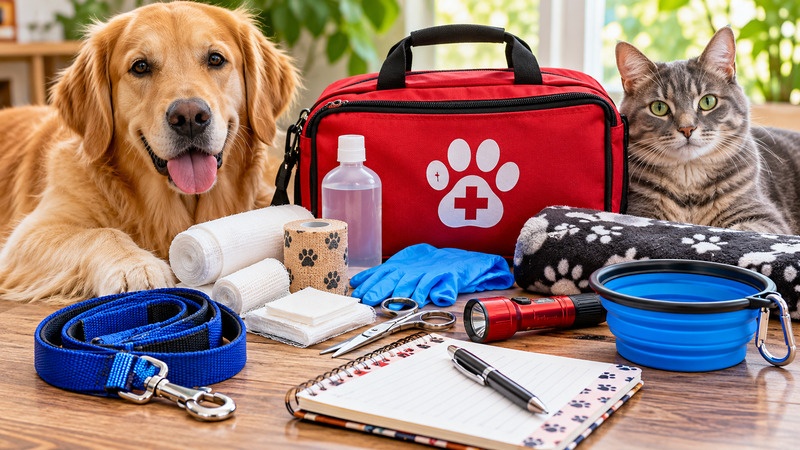
Table of Contents
Why Every Pet Sitter Needs an Emergency Kit
Pet sitting involves more responsibility than simply putting food in a bowl.
When owners are away, you’re responsible for following their instructions and recognizing when something isn’t right.
An emergency could involve a minor injury, a missing pet, severe weather, or an animal that suddenly becomes ill.
A pet sitter emergency kit helps you keep essential supplies organized so you don’t have to search for them when something unexpected happens.
It can also help you prepare for situations that have nothing to do with injuries, such as a power outage or a broken leash.
The goal isn’t to replace veterinary care. It’s to have the basic supplies and information you need to respond appropriately while arranging professional help.
What Should Be in a Pet Sitter Emergency Kit?
I would divide a pet sitter emergency kit into three categories: first-aid supplies, everyday emergency essentials, and important information.
This makes it easier to find what you need without carrying unnecessary items.
Not sure which supplies belong in your kit? The American Veterinary Medical Association (AVMA) provides a helpful pet first-aid checklist, along with information about common emergencies and when to seek veterinary care. It’s a useful resource to review before assembling your pet sitter emergency kit.
1. Portable Pet First-Aid Kit
A small pet first-aid kit is one of the most useful things to keep in your pet sitting bag.
You can purchase a ready-made pet first-aid kit or put together your own using basic supplies.
Consider including:
- Disposable nitrile gloves
- Sterile gauze pads
- Nonstick wound dressings
- Gauze rolls
- Self-adhering bandage material
- Blunt-tip bandage scissors
- Tweezers
- Sterile saline solution
- Clean towels or cloths
- Small flashlight
- Emergency contact information
These supplies can be useful for basic first aid while you’re contacting a veterinarian.
However, some items require training to use safely. Bandages that are wrapped too tightly, for example, can cause additional problems.
Never give a pet human medications or apply unfamiliar treatments without veterinary instructions.
If you’re building your own kit, choose a small waterproof container or zippered bag that is easy to carry between homes.
Helpful product: A compact pet first-aid kit with organized compartments can be convenient for pet sitters who visit several homes each day.
2. Extra Leash and Basic Safety Supplies
Imagine arriving at a client’s home and discovering that the dog’s leash is missing or damaged.
Having a spare leash in your bag could save you from searching the house for another one.
Consider packing:
- A sturdy backup leash
- Collapsible water bowl
- Small bottle of drinking water
- Waste bags
- Flashlight
- Reflective accessories for evening walks
- A clean towel
Make sure any leash or walking equipment is appropriate for the animal and approved by the owner.
A backup leash is especially useful if you regularly care for dogs, but it shouldn’t replace the owner’s properly fitted harness or collar.
Helpful product: A lightweight collapsible water bowl takes up very little room and can be useful during long walks, travel delays, or unexpected emergencies.
3. Emergency Contact Information
One of the most important things in your pet sitter emergency kit isn’t a product at all.
It’s information.
Before accepting a pet sitting assignment, make sure you know how to reach the owner and what to do if the pet needs urgent care. I like to put together a pet sitting binder for easy reference.
Keep the following information accessible:
- Pet owner’s name and phone number
- Backup contact person
- Regular veterinarian’s name and phone number
- Nearest emergency veterinary hospital
- Pet’s name, age, and identifying details
- Known medical conditions and allergies
- Medication instructions
- Emergency treatment authorization
- Agreed arrangements for emergency veterinary expenses
Don’t assume the owner will always answer their phone immediately.
They may be flying, traveling internationally, attending an event, or somewhere without reliable cell service.
Ask who is authorized to make decisions if the owner cannot be reached.
It’s also worth confirming the emergency clinic’s location and hours before your first visit.

4. A Pet Sitting Logbook or Notebook
When you’re caring for multiple pets, keeping important details organized becomes especially helpful.
You may need to remember which dog receives medication, which cat has a special feeding schedule, or when an owner last requested an update.
A dedicated notebook or pet sitting logbook can help you record:
- Dates and times of visits
- Feeding and water changes
- Walks and bathroom breaks
- Medications administered according to written instructions
- Unusual behavior
- Questions for the owner
- Important incidents and follow-up actions
If you prefer keeping paper records, The Pet Sitter’s Logbook by Penny Pawfield is one option to consider for organizing pet sitting information and visit notes.
A physical notebook can also be useful when your phone battery is low or you don’t have reliable internet access.
Keep sensitive client information secure, and avoid leaving records where other people can access them.
5. Supplies for Power Outages and Severe Weather
Not every pet sitting emergency involves an injured animal.
A winter storm, power outage, or unexpected road closure can create problems when you’re responsible for someone else’s pets.
For example, what happens if the electricity goes out and the pet uses an automatic feeder?
What if heavy snow prevents you from reaching the house at the scheduled time?
A few emergency supplies can help you prepare.
Consider keeping these items in your vehicle or pet sitting bag:
- Battery-powered flashlight
- Fully charged power bank
- Phone charging cable
- Warm blanket
- Bottled water
- Emergency contact information on paper
- Weather-appropriate clothing
For clients who use automatic feeders, electronic pet doors, or other powered equipment, ask about backup procedures before accepting the assignment.
If severe weather could prevent you from reaching the home, discuss an alternative caregiver with the owner ahead of time.
You should also know whether the home has a safe backup heating arrangement if you’re pet sitting during winter.
Never use outdoor grills, generators, or other fuel-burning equipment indoors to provide heat.
What to Do If a Pet Gets Hurt While You’re Pet Sitting
Even with careful planning, accidents can happen.
A dog might cut its paw during a walk, or a cat could become injured while playing.
If a pet is hurt, your first priority is safety.
Assess the Situation
Stay at a safe distance if the animal is frightened, aggressive, or in severe pain.
Even normally friendly pets may bite when they’re injured.
Avoid unnecessary handling, especially if you suspect a fracture or spinal injury.
Contact a Veterinarian
If the pet has difficulty breathing, collapses, has uncontrolled bleeding, experiences seizures, or shows other signs of a serious emergency, seek emergency veterinary assistance immediately.
Contact the owner as soon as possible, but don’t delay urgent veterinary care while waiting for a reply.
Follow the emergency authorization and transportation arrangements agreed upon before the sitting assignment.
Use First-Aid Supplies Only When Appropriate
A first-aid kit may help you manage a minor problem or provide temporary assistance while arranging veterinary care.
For example, a clean cloth or gauze may be useful for applying gentle direct pressure to external bleeding if you can do so safely.
However, first aid is not a substitute for professional treatment.
Do not attempt complicated procedures, administer medications, or use unfamiliar treatments without appropriate veterinary guidance.
A pet first-aid course can help you understand what to do in common emergencies.
The American Red Cross offers pet first-aid resources for dog and cat owners, including an app and training materials.
What If a Pet Gets Lost While You’re Pet Sitting?
A missing pet is one of the most stressful situations a pet sitter can face.
A dog might slip through an open gate, or a frightened cat could escape through a door.
Before beginning a pet sitting assignment, ask whether the animal has a history of escaping or hiding.
Find out which doors and gates need special attention.
If a pet goes missing, contact the owner immediately and follow the agreed emergency plan.
Notify appropriate local resources, such as animal control or nearby shelters, and use the pet’s current identification information.
Avoid chasing a frightened animal into traffic or another dangerous area.
For additional advice, read my guide on how to find your pet when they’re lost.
Keeping recent photos and identification information available can make it easier to share accurate details if an animal escapes.
What to Ask Pet Owners Before Your First Visit
A well-stocked pet sitter emergency kit is helpful, but it won’t replace clear instructions from the owner.
Before your first appointment, ask a few important questions.
Does the pet have any medical conditions?
Find out about allergies, medications, mobility problems, and other health concerns that could affect care.
Where are the pet’s regular supplies kept?
Ask about food, medication, carriers, cleaning supplies, and any first-aid items already in the home.
Who should you contact in an emergency?
Get both the owner’s contact information and an alternate contact.
Which veterinarian should you use?
Confirm the regular veterinarian and the preferred emergency clinic.
Is emergency treatment authorized?
Ask the owner to complete any necessary authorization paperwork and confirm financial arrangements with the veterinary clinic.
Does the pet have any behavioral concerns?
Learn about escape attempts, fear of strangers, aggression, separation anxiety, and anything else that could affect safety.
What happens if you cannot reach the house?
This is particularly important during winter storms, flooding, or other severe weather.
Discuss a backup caregiver who can reach the pet if you’re delayed.
How to Organize Your Pet Sitter Emergency Bag
You don’t need a huge bag filled with supplies.
In fact, a smaller organized kit is often easier to carry between appointments.
Consider using a lightweight tote, backpack, or zippered organizer with separate compartments.
Keep first-aid supplies together in one clearly marked pouch.
Place everyday items, such as waste bags and a collapsible bowl, in another section.
Store emergency contacts in a waterproof sleeve or secure notebook.
If you carry a phone charger or power bank, keep it somewhere easy to reach.
Remember that prescription medications, specialized equipment, and certain medical supplies should generally remain with the pet and be used only according to the owner’s and veterinarian’s instructions.
You don’t need to carry every possible item for every animal.
Instead, prepare a basic kit and adjust your supplies based on the pets you’re caring for.
Should Pet Sitters Buy a Ready-Made First-Aid Kit?
A ready-made pet first-aid kit can be convenient, particularly if you’re just starting a pet sitting business.
However, not every kit contains the same supplies.
Before purchasing one, check the contents carefully.
Look for practical basics such as gauze, gloves, bandage materials, and a small pair of scissors.
Avoid assuming a kit is complete simply because the package says it’s designed for pets.
You may still need to add emergency contact information, a flashlight, or other supplies.
It’s also important to check expiration dates and replace used or damaged items.
For some pet sitters, assembling a kit from supplies already at home may be the more affordable option.
How Often Should You Check Your Pet Sitting Emergency Kit?
An emergency kit isn’t something you should assemble once and forget.
Check it regularly to make sure everything is clean, usable, and easy to find.
A quick monthly inspection is a reasonable routine.
Look for:
- Missing or used supplies
- Damaged packaging
- Expired items
- Flashlights with weak batteries
- Outdated emergency phone numbers
- Worn leashes or damaged equipment
If you use your kit during a visit, replace the supplies as soon as possible.
It’s also a good idea to review your emergency procedures when you begin working with a new client.
Recommended Pet Sitter Emergency Kit Supplies
This section contains affiliate links. As an Amazon Associate, I earn from qualifying purchases at no additional cost to you.
Putting together a pet sitter emergency kit doesn’t have to be expensive. Start with a few practical supplies that can help you handle unexpected situations while caring for someone else’s pets.
Here are some useful items to consider adding to your pet sitting bag.
Portable Pet First-Aid Kit
A compact pet first-aid kit is a convenient way to keep basic supplies together. Look for one that includes gauze, bandages, disposable gloves, and other essentials. Choose a lightweight kit that’s easy to carry between appointments.
Shop Pet First-Aid Kits on Amazon
Collapsible Dog Water Bowl
A collapsible water bowl is useful during longer walks, unexpected delays, or warm weather. Silicone bowls are lightweight, easy to clean, and take up very little space in your bag.
Shop Collapsible Pet Water Bowls on Amazon
Backup Dog Leash
Keeping an extra leash in your pet sitting bag can be helpful if the owner’s leash breaks or goes missing. Choose a sturdy, easy-to-clean leash, and always make sure the equipment is appropriate for the dog’s size and behavior.
Shop Backup Dog Leashes on Amazon
Rechargeable Flashlight
A small rechargeable flashlight is useful for evening walks, checking dark areas, and dealing with unexpected power outages. Look for one that’s lightweight and easy to keep charged.
Shop Rechargeable Flashlights on Amazon
Frequently Asked Questions About Pet Sitter Emergency Kits
Do pet sitters need a first-aid kit?
A basic pet first-aid kit is a sensible precaution for anyone regularly caring for animals. It can provide useful supplies while you arrange veterinary assistance.
What is the most important item in a pet sitter emergency kit?
Emergency contact information and a clear veterinary care plan are among the most important preparations. Supplies are helpful, but knowing who to contact and where to take an injured pet is essential.
Can pet sitters give animals medication?
Pet sitters should administer only medications specifically authorized and prescribed for that animal, following clear written instructions. If instructions are missing or unclear, contact the owner and veterinarian rather than guessing.
Should pet sitters carry extra food?
Usually, the pet owner should provide the animal’s regular food. Changing a pet’s diet unexpectedly can cause problems. A collapsible water bowl and drinking water are more useful general supplies to carry.
What should a pet sitter do during a power outage?
Check the animal’s immediate safety, contact the owner, and follow the agreed emergency plan. Pay particular attention to heating, cooling, automatic feeders, and medical equipment that depends on electricity.
Is a pet emergency kit different from a pet evacuation kit?
Yes. A portable first-aid kit contains basic supplies for responding to injuries and immediate problems. An evacuation kit is larger and includes food, water, medications, carriers, identification, and other essentials needed if a pet must leave home.
Final Thoughts on Pet Sitter Emergency Preparedness
Taking care of someone else’s pets is a big responsibility, and unexpected situations can happen even when you’re careful.
A pet sitter emergency kit doesn’t need to be expensive or complicated.
Start with a few basic first-aid supplies, a spare leash, a flashlight, and reliable emergency contact information.
Then think about the specific animals you’re caring for and any additional supplies they may need.
Most importantly, talk with pet owners before an emergency happens. Knowing their preferences, veterinary arrangements, and backup plans can save valuable time when something goes wrong.
Whether you’re pet sitting professionally or helping a neighbor while they’re away, being prepared is one more way to provide thoughtful, responsible care.

Ellen runs a small pet sitting business in southern Vermont. She has experience with a variety of small animals, dogs and cats. She has also cared for ducks, chickens and rabbits. Combined, she has over 20 years of experience in pet care and pet sitting.