Last Updated on April 3, 2026 by ellen
If you love animals but don’t have hours each day for walks, grooming, or constant attention, you’re not alone. The good news? There are plenty of pets that are easy to care for, don’t require much time, and still bring companionship and joy into your home.
Posts may be sponsored. This post contains affiliate links, which means I will make a commission at no extra cost to you should you click through and make a purchase. As an Amazon Associate I earn from qualifying purchases.
Whether you live in a small apartment, work long hours, or just prefer a more hands-off pet, these low-maintenance pets are perfect for busy lifestyles.
Table of Contents
Low-Maintenance Pets for Busy People (Beyond Cats & Dogs)
What Makes a Pet “Low Maintenance”?
Before choosing a pet, it helps to understand what “low maintenance” really means. These pets typically:
* Require minimal daily interaction
* Don’t need frequent grooming
* Have simple feeding routines
* Thrive in smaller spaces
* Can be left alone for longer periods
That said, all pets need proper care, attention, and a safe environment—just at different levels.
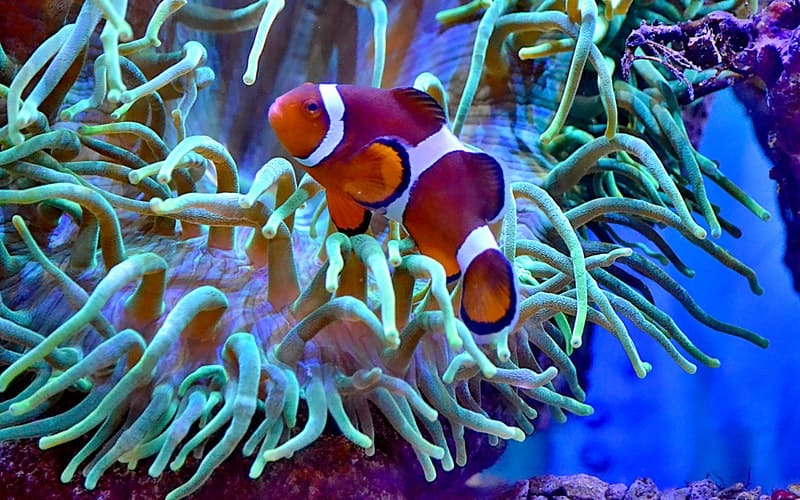
1. Fish (Perfect for Calm, Quiet Homes)
Fish are one of the easiest pets to care for, especially for beginners.
Why they’re low maintenance:
* No training required
* Feeding takes seconds
* No noise or mess outside the tank
Best options:
* Betta fish (great for small tanks)
* Goldfish (for larger setups)
* Guppies (colorful and hardy)
Care tips:
* Clean the tank weekly or biweekly
* Avoid overfeeding (a common mistake!)
* Keep water conditions stable
Good to know: While fish are easy day-to-day, initial tank setup takes some effort. Once established, maintenance is simple.
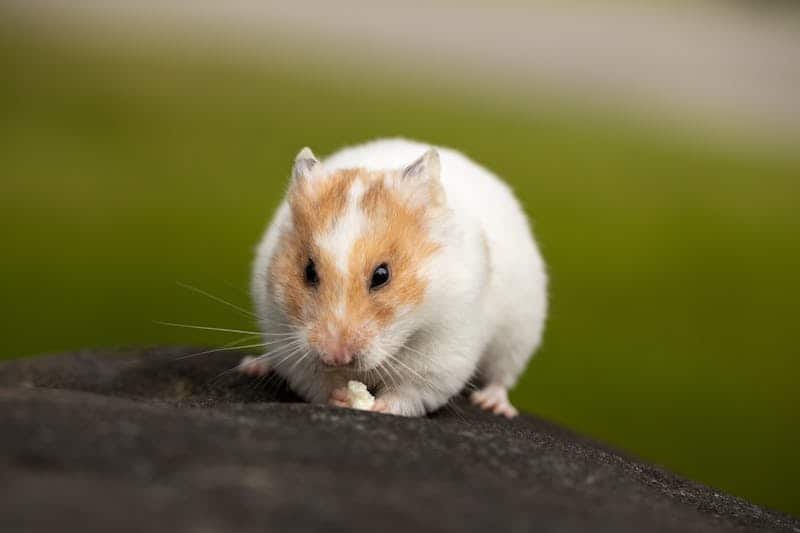
2. Hamsters (Tiny Pets with Big Personality)
Hamsters are great for people who want a small, interactive pet without a huge time commitment.
Why they’re low maintenance:
* Live happily in compact cages
* Only need feeding once a day
* Exercise themselves with wheels
Care tips:
* Clean the cage once a week
* Provide fresh bedding and water
* Handle gently to build trust
Best for: Night owls—hamsters are most active in the evening!
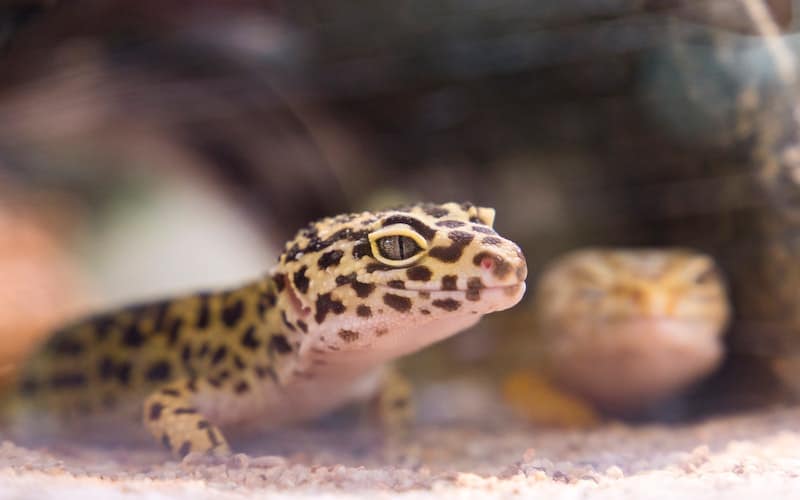
3. Reptiles (Unique and Surprisingly Easy)
Reptiles might not be the first pets that come to mind, but many are incredibly low effort once their habitat is set up.
Beginner-friendly reptiles:
* Leopard geckos
* Bearded dragons
* Corn snakes
Why they’re low maintenance:
* Eat only a few times per week
* No need for daily interaction
* Minimal grooming
Care tips:
* Maintain proper heat and lighting
* Keep enclosures clean
* Research species-specific needs
Bonus: Reptiles are quiet, odor-free, and great for small spaces.
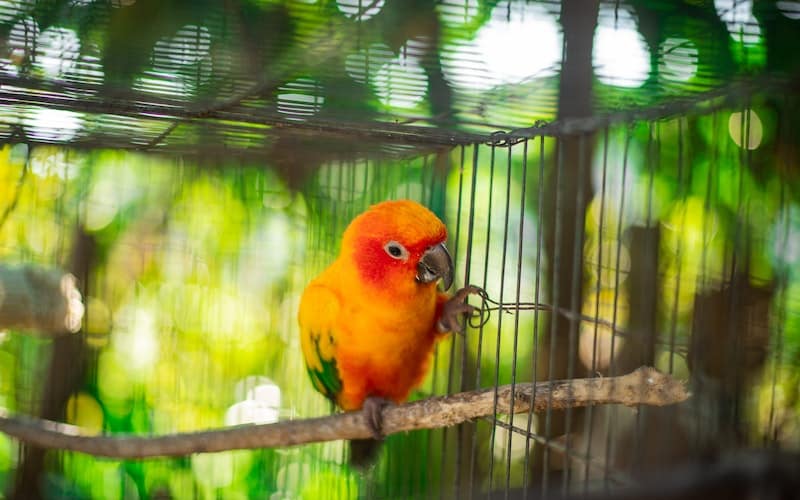
4. Birds (Low Effort, High Personality)
Some small bird species are relatively easy to care for and bring lots of personality into your home.
Best low-maintenance birds:
* Budgies (parakeets)
* Finches
* Canaries
Why they’re low maintenance:
* Simple diet of seeds and pellets
* Don’t require constant handling
* Entertain themselves with toys
Care tips:
* Clean cages weekly
* Provide fresh water daily
* Offer occasional interaction
Tip: Finches and canaries are especially low-maintenance since they don’t need much human interaction.

5. Guinea Pigs (Gentle and Easygoing)
If you want something cuddly but still manageable, guinea pigs are a great middle ground.
Why they’re low maintenance:
* Friendly and social
* Easy feeding routine (hay, veggies, pellets)
* No complicated training needed
Care tips:
* Clean enclosure 1–2 times per week
* Provide fresh vegetables daily
* Keep them in pairs (they’re social animals)
Best for: Families or anyone who wants a slightly more interactive pet without the demands of a dog.

6. Hermit Crabs (Minimal Space, Minimal Work)
Hermit crabs are often overlooked, but they’re incredibly easy to care for.
Why they’re low maintenance:
* Eat small amounts
* Require little interaction
* Take up very little space
Care tips:
* Maintain humidity in their tank
* Provide fresh and saltwater
* Change substrate occasionally
Fun fact: Hermit crabs change shells as they grow—making them fascinating to watch!
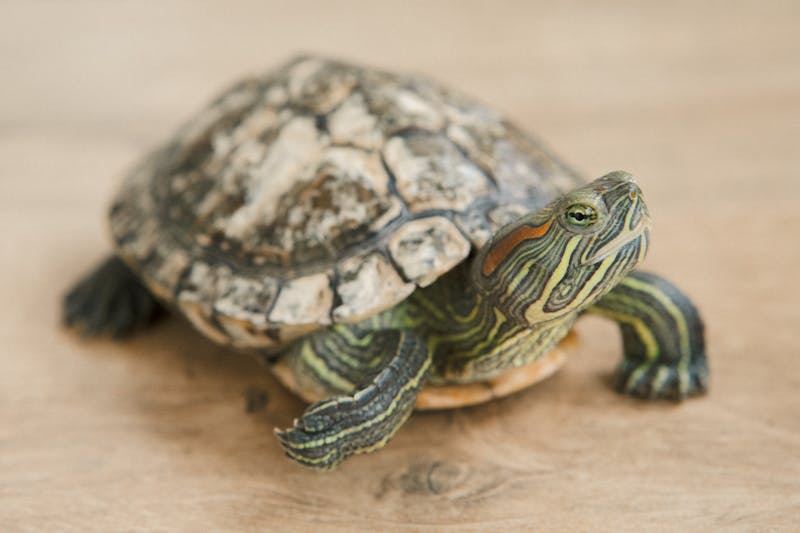
7. Turtles (Slow-Paced and Independent)
Turtles are calm, long-living pets that don’t require constant care.
Why they’re low maintenance:
* Feed a few times a week
* Minimal handling required
* Independent by nature
Care tips:
* Keep water clean with a filter
* Provide basking areas
* Maintain proper temperature
Important: Turtles can live for decades, so they’re a long-term commitment.

Supplies You’ll Need (Basic Setup)
Most low-maintenance pets require a simple setup:
* Appropriate enclosure (tank, cage, or habitat)
* Food and feeding supplies
* Bedding or substrate
* Cleaning tools
* Temperature or lighting equipment (for reptiles/fish)
Starting with the right supplies makes care much easier long-term.
Before You Choose a Pet
Even low-maintenance pets come with responsibilities. Ask yourself:
* How much time can I realistically commit each week?
* Do I have space for a proper habitat?
* Am I ready for the pet’s lifespan (some live years or decades)?
Choosing the right pet upfront ensures a better experience for both you and your new companion.
Final Thoughts
You don’t need a high-energy dog or a demanding pet to enjoy the benefits of animal companionship. From colorful fish to quirky reptiles, there are plenty of low-maintenance pets that fit seamlessly into a busy lifestyle.
The key is choosing a pet that matches your schedule, space, and level of involvement. With the right match, you’ll get all the joy of pet ownership—without the stress.

Ellen runs a small pet sitting business in southern Vermont. She has experience with a variety of small animals, dogs and cats. She has also cared for ducks, chickens and rabbits. Combined, she has over 20 years of experience in pet care and pet sitting.