Last Updated on October 25, 2026 by ellen
You’ve arrived for a scheduled pet-sitting visit, but the front door won’t open. Maybe the key doesn’t work, the smart lock isn’t responding, or the homeowner forgot to give you the new door code.
Posts may be sponsored. This post contains affiliate links, which means I will make a commission at no extra cost to you should you click through and make a purchase. As an Amazon Associate I earn from qualifying purchases.
Getting locked out while pet sitting is stressful, especially when a dog needs a bathroom break or a cat is waiting for medication. The important thing is to stay calm, communicate with the pet owner, and find a safe, authorized way to get inside.
Here’s what to do when a pet sitter can’t get into a client’s house, along with ways to prevent access problems before the next visit.
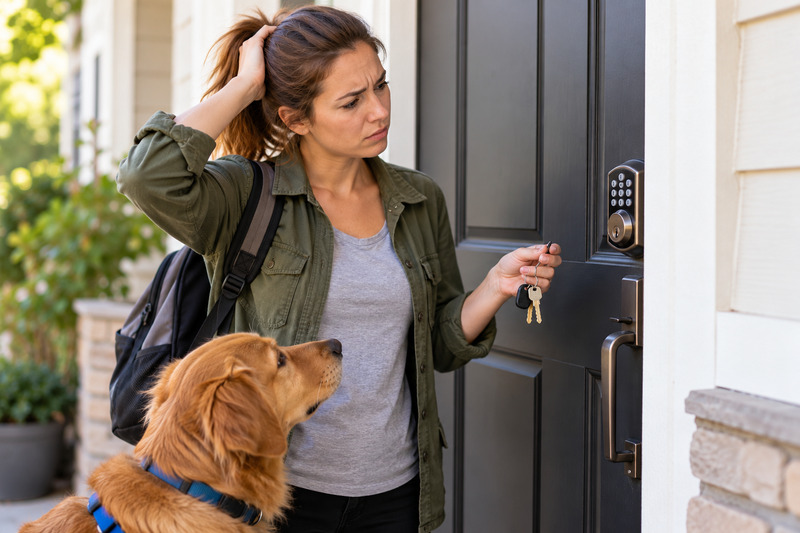
Table of Contents
1. Double-Check the Entry Instructions
Before assuming you’re locked out, review the instructions the pet owner provided.
Check that you’re using the correct entrance. Some homeowners prefer that pet sitters enter through a side door, garage, or back entrance instead of the front door.
If you’re using a keypad, make sure you’ve entered the code correctly. Check whether the owner provided instructions about pressing a particular button before or after entering the numbers.
For a traditional key, confirm that you’re using the correct one. If the lock seems stuck, don’t force it. A broken key or damaged lock could make the situation worse.
If you’re using a smart lock, check whether the owner’s instructions mention a backup entry method.
2. Contact the Pet Owner Immediately
If you still can’t get inside, contact the pet owner right away.
Call first if the visit is time-sensitive. If there’s no answer, send a text explaining the problem.
Include your location, the scheduled visit time, and what you’ve already tried.
For example:
“Hi! I’m here for the 2 PM pet-sitting visit, but the front door code isn’t working. I’ve double-checked the instructions and tried it again. Is there another way you’d like me to get inside? I’ll stay here while we work out a solution.”
Clear communication helps the owner understand what’s happening and gives them a chance to provide updated instructions.
Don’t wait until the scheduled visit is over to report the problem.
3. Check for an Authorized Backup Entry Method
Some pet owners leave a spare key with a trusted neighbor, family member, or property manager.
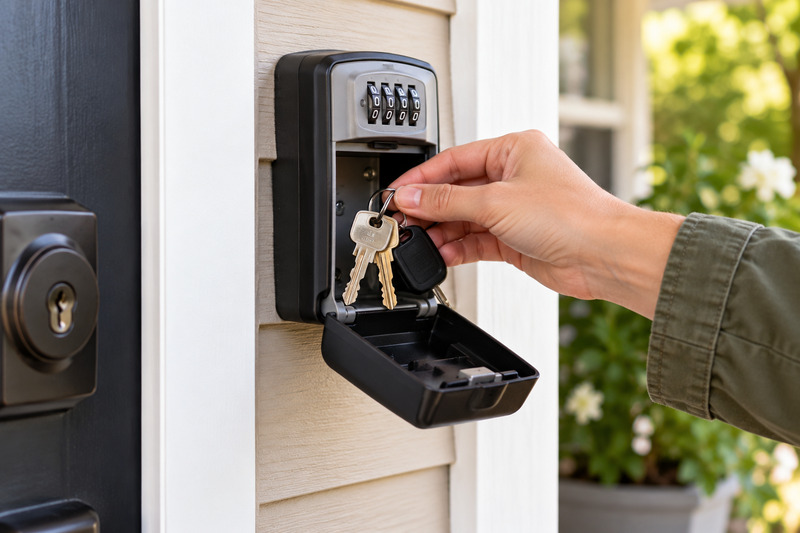
Others use a lockbox or have a second entrance available for emergencies.
Only use backup access arrangements that the owner has approved.
If the owner tells you to contact someone who has a spare key, confirm that person’s name and contact information before arranging to meet.
Never assume that an unlocked window, garage, or alternative entrance gives you permission to enter.
Avoid climbing through windows, forcing doors, tampering with locks, or attempting to bypass security systems.
Your responsibility is to protect both the pet and the client’s property.
4. Decide How Urgent the Pet’s Needs Are
Not every lockout creates the same level of urgency.
A healthy adult cat waiting for a routine feeding may have different immediate needs than a puppy who has already gone several hours without a bathroom break.
Consider whether the pet:
- Needs medication at a specific time.
- Has a medical condition requiring close monitoring.
- Has been alone longer than planned.
- Needs an urgent bathroom break.
- May be without adequate food, water, or safe temperatures.
If a pet has time-sensitive medical needs, explain that clearly when contacting the owner.
Follow the pet’s established care plan and any emergency instructions the owner provided. If there’s reason to believe an animal is in immediate danger, contact the appropriate local emergency service or animal welfare authority for guidance.
Don’t attempt a dangerous or unauthorized entry.
5. What if the Pet Owner Doesn’t Answer?
Sometimes pet owners are traveling, attending an event, or unable to answer their phones.
If you can’t reach the owner, try the emergency contacts they provided.
These might include a spouse, family member, neighbor, or another authorized caregiver.
Explain that you’re unable to enter the home and need help arranging approved access.
If you’re working through a pet-sitting company, follow its lockout and emergency procedures.
Keep trying reasonable contact methods, particularly if the pet has urgent care needs.
If you cannot arrange access, document the situation and continue following the agreed emergency plan. Don’t simply leave without telling anyone what happened.
6. Document the Lockout and Missed Visit
Good records protect both the pet sitter and the homeowner.
Write down when you arrived, when you discovered the access problem, and the steps you took to resolve it.
Keep a record of calls, messages, and instructions received from the owner.
If you couldn’t complete the scheduled visit, explain which services were missed.
For example, note whether the dog wasn’t walked, a meal was delayed, or medication couldn’t be administered.
Avoid claiming that a pet received care when you weren’t able to enter the home.
Once the problem is resolved, provide an accurate update about the pet and any changes to the visit schedule.
7. Should a Pet Sitter Charge for a Lockout?
Payment for an unsuccessful visit depends on the pet-sitting agreement and the circumstances.
Some professional pet sitters have policies covering visits that cannot be completed because the client provided an incorrect key or access code.
Others may waive or adjust a fee depending on the situation.
If you operate a pet-sitting business, explain your lockout policy before accepting bookings.
Your agreement can address how long you’ll wait, how additional trips are handled, and whether a return visit costs extra.
Any charges should follow the terms agreed upon with the client.
Clear expectations help prevent disagreements later.
8. How to Prevent Pet-Sitting Lockouts
The best time to solve an access problem is before the pet owner leaves town. Along with providing working keys and clear entry instructions, make sure your sitter has everything needed to care for your pet. Read my guide on what supplies to leave for a pet sitter so you’re prepared before your trip.
Test Keys and Door Codes Before the First Visit
Whenever possible, test the key or entry code with the owner present.
Don’t assume that a key works simply because it fits into the lock.
If the home uses a smart lock, ask the owner to demonstrate how it works and explain what happens if the battery dies or the internet connection fails.
Arrange Backup Access
Ask whether the owner has a trusted emergency contact who can provide access if the primary entry method stops working.
A securely stored backup key or an owner-approved lockbox may also be useful.
Never duplicate a client’s key or share their entry code without permission.
For an extra layer of preparation, homeowners may want to consider a combination key lockbox for an authorized backup house key. A Master Lock combination key lockbox can provide an alternative way for a pet sitter to enter if the primary key or door code fails. Keep the combination private and share it only with people you trust.
Keep Contact Information Updated
Before the pet-sitting assignment begins, confirm the owner’s phone number and preferred communication method.
Ask for an emergency contact who can make decisions or arrange access if the owner is unavailable.
You may also want to record the pet’s veterinarian and any important medical instructions.
Include Access Information in a Pet-Sitting Binder
A pet-sitting binder can help organize feeding schedules, medication instructions, emergency contacts, and home access details.
Keep sensitive information, including door codes and key locations, secure and share it only with authorized caregivers.
Being prepared before a pet-sitting visit can prevent many common problems. Learn how to create a pet-sitting binder to keep important instructions, emergency contacts, and pet care information organized.
Staying organized is an important part of providing reliable pet-sitting services. The Pet Sitter’s Logbook by Penny Pawfield helps pet sitters keep track of client information, home access instructions, emergency contacts, daily visits, feeding schedules, medications, and important notes. It’s a useful way to keep essential details together for each pet-sitting assignment. You can find The Pet Sitter’s Logbook on Amazon.
Frequently Asked Questions
What should a pet sitter do if the door code doesn’t work?
Double-check the instructions and make sure you’re using the correct entrance. If the code still doesn’t work, contact the owner and ask for updated instructions or an authorized backup entry method.
Should a pet sitter call a locksmith?
Contact the pet owner first. A locksmith should generally be arranged with the homeowner’s authorization, since the locksmith may require proof that the person requesting access has permission to enter.
What if a pet sitter loses the client’s house key?
Notify the owner immediately. Explain where and when the key may have been lost, follow the owner’s security instructions, and discuss whether the lock needs to be rekeyed or replaced. Don’t hide the mistake or make unauthorized copies.
Can a pet sitter leave if they can’t get into the house?
A pet sitter shouldn’t simply abandon a scheduled visit without communicating the problem. Contact the owner, follow the emergency plan, and document attempts to arrange access. If the pet may be in immediate danger, seek appropriate emergency assistance.
How can pet owners make home access easier for sitters?
Provide clear entry instructions, test keys or codes before leaving, arrange an approved backup access method, and make sure the sitter has reliable emergency contact information.
Final Thoughts
Getting locked out during a pet-sitting visit can happen even when you’ve prepared carefully.
The most important steps are to communicate promptly, avoid damaging the property, follow authorized entry procedures, and keep the pet’s needs at the center of your decisions.
With tested keys, reliable emergency contacts, and a clear backup plan, pet sitters and homeowners can reduce the chance that an access problem turns into a missed or unsafe pet care visit.

Ellen runs a small pet sitting business in southern Vermont. She has experience with a variety of small animals, dogs and cats. She has also cared for ducks, chickens and rabbits. Combined, she has over 20 years of experience in pet care and pet sitting.