Last Updated on October 17, 2026 by ellen
What should you do when a dog won’t eat while you’re pet sitting? It can be worrying when a dog who normally enjoys mealtime suddenly refuses breakfast or dinner.
Posts may be sponsored. This post contains affiliate links, which means I will make a commission at no extra cost to you should you click through and make a purchase. As an Amazon Associate I earn from qualifying purchases.
Some dogs lose interest in food when their owners are away. Changes in routine, separation from familiar people, or a different feeding schedule can affect their appetite. However, refusing food can also be a sign of illness.
As a pet sitter, your responsibility is to notice changes, follow the owner’s instructions, and know when to ask for help.
Here’s what to do if a dog refuses to eat while you’re caring for them.
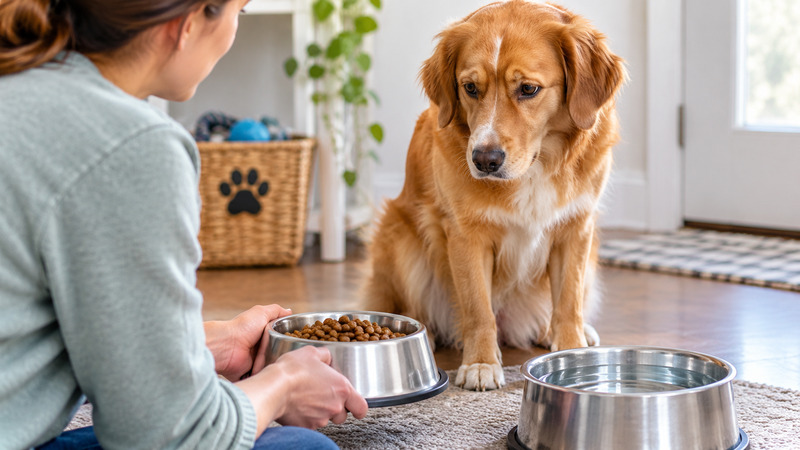
Table of Contents
Why Won’t a Dog Eat When Their Owner Is Away?
There are several possible reasons a dog might refuse food during a pet-sitting visit.
Separation from their owner: Some dogs become stressed when their usual caregiver is away. Even if they know and like their pet sitter, they may need time to settle into a different routine.
Changes in their surroundings: Dogs can be sensitive to changes in their environment. A different feeding location, unfamiliar noises, or changes in household activity may affect their appetite.
A different feeding routine: Perhaps the owner normally feeds the dog at a particular time or stays nearby while the dog eats. Small changes may make a difference.
Too many treats: If a dog has received extra treats or snacks, they may be less interested in their regular meal.
A health problem: Dental pain, nausea, digestive problems, and other illnesses can cause a dog to stop eating.
Don’t assume that a dog is simply missing their owner. A change in appetite deserves attention, especially if it is unusual for that dog.
What to Do When a Dog Won’t Eat While Pet Sitting
1. Check the Owner’s Feeding Instructions
Before trying anything different, review the instructions the owner left for you.
Make sure you’re offering the correct food, portion size, and feeding schedule.
Check whether the dog normally eats dry food, wet food, or a combination. Some owners also have specific instructions about where to place the bowl or how to prepare meals.
If you’re caring for more than one pet, make sure another animal hasn’t eaten the dog’s food.
Also, check the food itself. Is it fresh? Has it been stored properly? Are you using the correct bag or container?
Sometimes the problem is as simple as an unfamiliar feeding routine.
2. Give the Dog a Quiet Place to Eat
Some dogs prefer eating without distractions.
If the dog seems nervous, offer their usual meal in a quiet, familiar location. Keep other pets away from the bowl if the owner normally feeds them separately.
Avoid standing over the dog or repeatedly encouraging them to eat.
Instead, give them a little space while keeping an eye on their behavior.
If the owner has provided a specific routine for mealtimes, follow it as closely as possible.
3. Make Sure Fresh Water Is Available
Check the dog’s water bowl and refill it with fresh water.
Pay attention to whether the dog is drinking normally.
A dog that refuses food but otherwise seems comfortable is a different situation from a dog that refuses both food and water.
If the dog isn’t drinking, appears weak, or shows other signs of illness, contact the owner and veterinarian promptly rather than waiting for the next scheduled meal.
Never force food or water into a dog’s mouth.
4. Contact the Owner
If a dog refuses a meal unexpectedly, let the owner know.
They may tell you that the dog occasionally skips breakfast, prefers eating later, or needs a particular routine.
Ask whether the dog has done this before and whether there are any veterinarian-approved feeding instructions you should follow.
You can send a simple message:
“Hi! Just wanted to let you know that Max didn’t eat his breakfast this morning. He has fresh water, and I’m keeping an eye on him. Is this something he occasionally does, or would you like me to contact your veterinarian?”
Try to include useful details rather than simply saying the dog isn’t eating.
Tell the owner how much food was offered, whether the dog ate anything, and whether you’ve noticed any changes in energy or behavior.
5. Don’t Change the Dog’s Diet Without Permission
It can be tempting to offer chicken, treats, or something tastier when a dog refuses their regular food.
However, pet sitters shouldn’t make significant feeding changes without the owner’s permission.
Some dogs have food allergies, sensitive stomachs, or medical conditions that require special diets.
If the owner has already approved a particular food topper or feeding adjustment, follow those instructions.
You can also read my article about the benefits of dog food toppers to learn more about the different types available.
Another related article explains whether dogs can eat canned chicken.
Remember that these are general feeding resources, not instructions to give an unfamiliar dog new foods. Always check with the owner first.
6. Watch for Other Changes in Behavior
A missed meal isn’t the only thing to pay attention to.
Notice whether the dog is acting normally during your visit.
Are they interested in going outside? Do they respond when you call them? Are they moving comfortably?
Also, watch for vomiting, diarrhea, unusual tiredness, coughing, excessive drooling, or signs of pain.
Keep track of when the dog last ate and how much food they consumed.
This information can help the owner and veterinarian decide what to do next.
When Should a Pet Sitter Call the Veterinarian?
A dog refusing food should never be ignored.
Contact the owner and arrange veterinary advice promptly if the dog has a sudden, unexplained loss of appetite. Don’t wait until the end of a multi-day pet-sitting assignment.
A healthy adult dog that skips one meal but is otherwise acting normally may be able to be monitored briefly with guidance from the owner or veterinarian. However, continued refusal to eat needs veterinary attention.
Contact a veterinarian immediately if the dog is a puppy, has diabetes, or has another medical condition that makes missed meals especially risky. Senior dogs also deserve extra caution when their appetite suddenly changes.
Seek emergency veterinary care if the dog has serious symptoms such as repeated vomiting, a swollen or painful abdomen, collapse, severe weakness, or difficulty breathing.
If you cannot reach the owner and the dog needs urgent medical care, follow the emergency authorization and veterinary contact instructions provided before the pet-sitting assignment.
Do not delay emergency care while waiting for a reply.
For additional veterinary guidance, see PetMD’s information about dogs that stop eating.
What If the Dog Won’t Eat but Seems Happy?
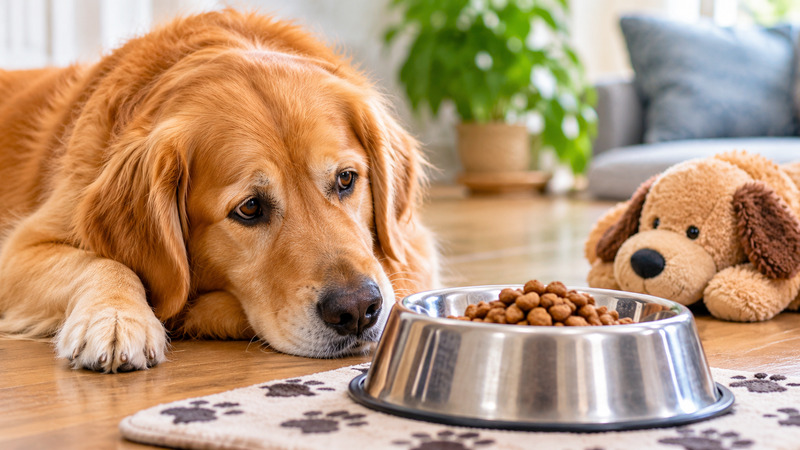
Sometimes a dog refuses a meal but still wants to play, go for walks, and interact with people.
That’s reassuring, but it doesn’t completely rule out a health problem.
Check with the owner about the dog’s normal habits and contact the veterinarian if the refusal is unusual or continues.
Avoid offering an assortment of new treats and foods to see what the dog likes. This can upset their stomach and make it harder to determine how much they’ve actually eaten.
Keep their routine consistent and continue documenting their meals.
How to Keep a Pet-Sitting Feeding Log
A simple feeding log can be helpful when you’re caring for someone else’s dog.
Record the date and time of each meal, how much food was offered, and approximately how much the dog ate.
You should also note water intake if it seems unusual, any vomiting or diarrhea, and when you contacted the owner.
For example:
Morning visit: Offered one cup of regular kibble at 8:00 AM. Dog sniffed the food but did not eat. Fresh water provided. Normal energy during bathroom break. Owner notified at 8:20 AM.
Evening visit: Offered the usual dinner at 5:30 PM. Dog ate approximately half. Owner updated.
These notes give the owner an accurate picture of what happened while they were away.
They can also be useful if a veterinarian needs to evaluate the dog.
How Pet Owners Can Prevent Feeding Problems
If you’re hiring a pet sitter, prepare feeding instructions before leaving home.
Explain what your dog eats, how much they receive, and when they normally eat.
Let the sitter know about any food allergies, medications, medical conditions, or unusual feeding habits.
If your dog occasionally refuses a meal when you’re away, explain what has happened before and what your veterinarian recommends.
Leave your veterinarian’s contact information, emergency clinic details, and instructions for authorizing urgent treatment.
It’s also helpful to have the pet sitter visit before your trip so your dog can become familiar with them.
A little preparation makes feeding time easier for everyone.

Frequently Asked Questions
Is it normal for a dog not to eat when their owner is away?
Some dogs eat less when their routine changes or their owner is away. However, a loss of appetite can also indicate illness. A pet sitter should notify the owner and watch for other symptoms rather than assuming the dog is simply stressed.
Should I give a dog treats if they won’t eat their dinner?
Only offer treats or other foods that the owner has approved. A dog with allergies, diabetes, or another medical condition may need a specific diet. Treats should not replace veterinary advice when a dog stops eating.
How long should I wait if a dog won’t eat?
There isn’t one safe waiting period for every dog. Puppies, diabetic dogs, and dogs showing other symptoms need prompt veterinary attention. If a normally healthy adult dog unexpectedly refuses food, notify the owner and seek veterinary guidance rather than waiting for several missed meals.
What should I tell the owner if their dog won’t eat?
Tell the owner when you offered the meal, what food you served, how much the dog ate, whether they are drinking, and whether their behavior seems normal. Share any other symptoms you’ve noticed.
Final Thoughts
When a dog won’t eat while you’re pet sitting, the most important thing is to stay observant and communicate with the owner.
Check the feeding instructions, maintain the dog’s normal routine, provide fresh water, and pay attention to changes in behavior.
Don’t make unapproved changes to the dog’s diet or assume a missed meal is harmless.
By keeping good records and knowing when to contact a veterinarian, you can help make sure the dog receives the care they need while their owner is away.

Ellen runs a small pet sitting business in southern Vermont. She has experience with a variety of small animals, dogs and cats. She has also cared for ducks, chickens and rabbits. Combined, she has over 20 years of experience in pet care and pet sitting.